Saakshi Dixit
Case study · Happy Pet
Building India's first peer-to-peer marketplace for aquarium hobbyists
Marketplace
Web
Mobile
0-1
India
Role
Product Design Intern
Handoff
End to end
Scope
Research → hi-fi prototype, dev handoff
Status
In staging, pre-launch
I designed HappyPet's aquarium marketplace end to end — from secondary research through a dev-ready hi-fi prototype — covering buyer and seller journeys for a category no existing platform served well. Aquarium hobbyists were an underserved niche inside India's pet ecosystem: passionate and specific, but stuck with generic marketplaces that couldn't handle species compatibility, tank size, or water type, and had no trust layer for either side of a trade.
First dev ready
project in my career
Buyer + Seller
both sides of the trade designed for, not just one
8+ / 15+
Indian and global marketplaces audited for design
Background
Understanding a space I had no expertise in
Working on something pet-related didn't mean I understood the domain. I spent two weeks in secondary research, benchmarking organised and unorganised competitors in India against global trendsetting platforms, and running contextual inquiries to uncover real consumption patterns and mental models.

hobbyist enthusiast
experienced breeders
boutique pet
store owners
Who we were designing for
Sensemaking surfaced three segments — all united by a need for trust, transparency, and a seamless trading experience over rare, specific species.
Problem
The gap in the market
Aquarium-keeping was growing fast in India, but access stayed fragmented: no community space to trade or share knowledge, no safe channel for the rising interest in secondhand setups, and no reliable way to source rare species beyond word of mouth.
The opportunity
The research pointed to one clear opening: build a community-driven marketplace that could foster responsible, trust-backed fish-keeping in India, the way established hobbyist cultures already existed elsewhere.
Approach
Understanding the Indian Pet commerce space
Spent the first week reading industry reports, analyzing market trends, and studying the Indian pet commerce space. Rather than assuming what mattered, I researched what actually existed and where gaps were.


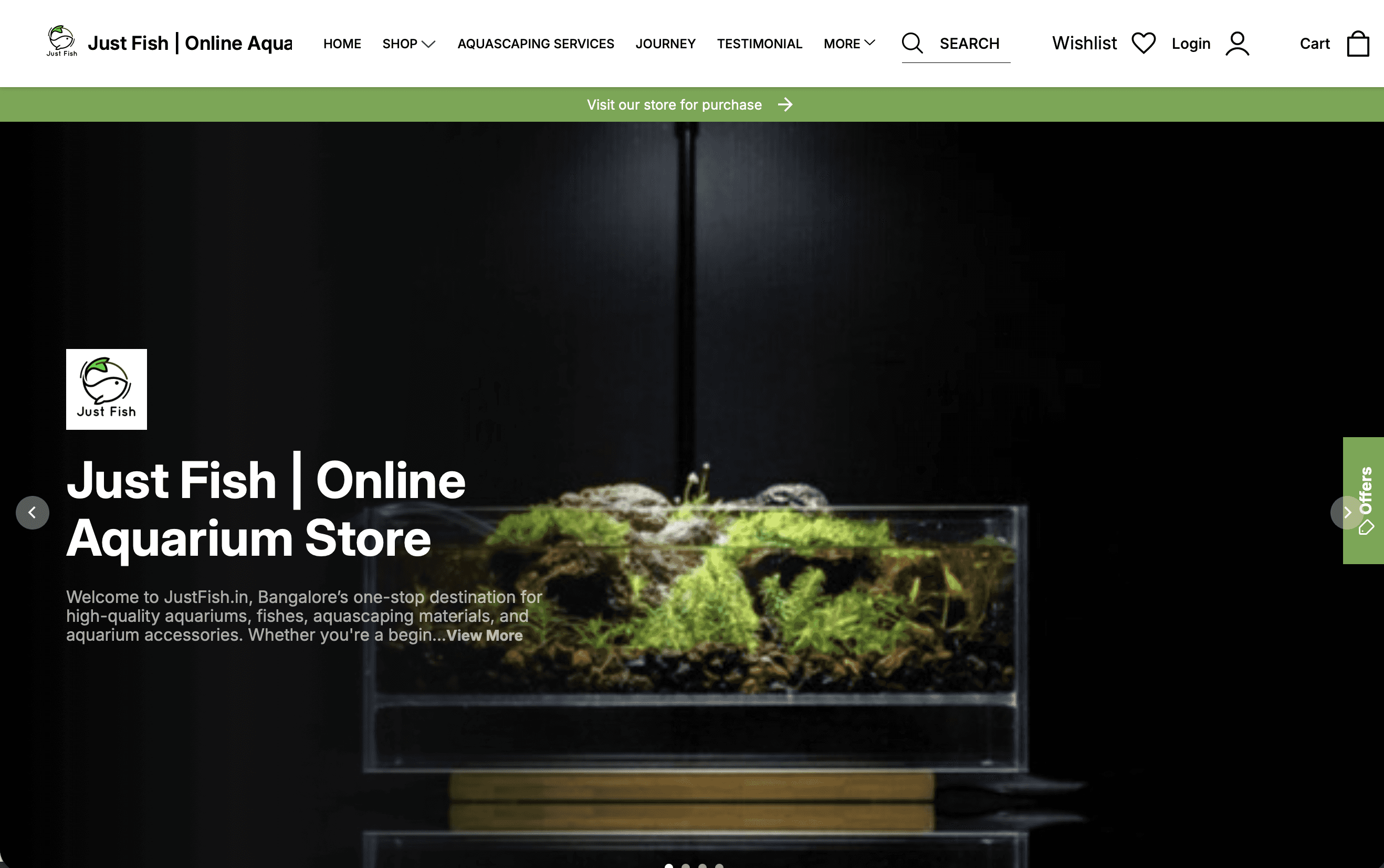
Studied 8+ Indian pet marketplaces (OLX, local pet sites, general e-commerce) and 15+ global aquarium platforms to understand:
What features existed and why they failed or succeeded?
How they categorized products?
What trust mechanisms they used?
Where Indian-specific
needs went unaddressed?
Validating the idea
Before committing to design, we went back to stakeholders who'd previously run pet stores and audited existing marketplace platforms for what worked and what didn't — using both to define our value proposition, positioning, and product strategy.

Designing for both sides of the trade
Buyer and seller needs pulled in different directions, so I designed for the edge cases on both ends — from experienced hobbyists managing complex builds to first-time sellers who'd never listed anything online. Pincode-based search, guided text fields, and contextual help prompts made listing accessible without dumbing it down.


Structuring a fragmented catalog
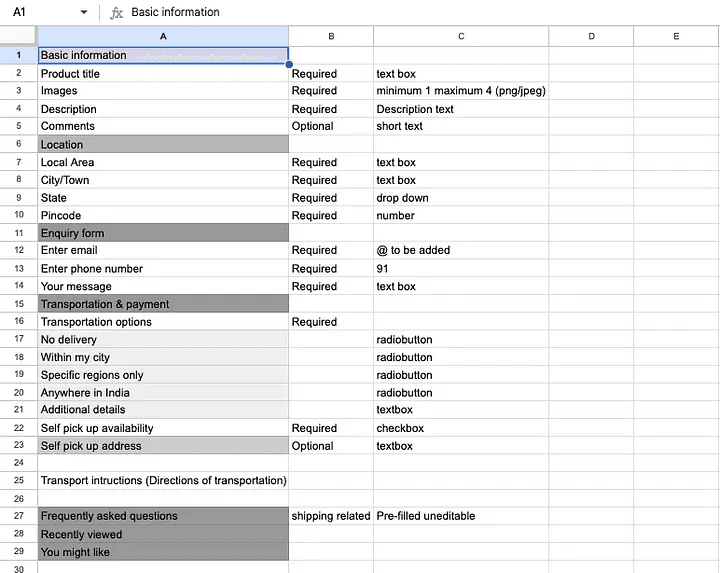
India's aquarium product market had no standard taxonomy, so I built a 3-degree product classification in Excel and defined the exact datapoints engineering would need to build against.


Hi-fidelity prototype
Every research insight and design decision came together in an interactive prototype covering full buyer and seller journeys, tested for edge cases and accessibility, and kept consistent across every horizontal product in the catalog.


Beyond the screens
The work didn't stop at UI — I wrote the FAQ section, collaborated with SEO specialists on keyword structure, and synced directly with developers to keep the handoff seamless.


Outcome
The designs are staging for launch
The designs are now in staging for both web and mobile, with a complete design system and dev handoff in place — set to go live shortly.
© 2026